Election law is a branch of deadline law. A candidate who misses a filing window by a day, a county that prints the wrong instruction or a legislature that changes a mail-ballot rule in the final weeks can produce a dispute that no court can cleanly resolve. The 2026 cycle is already producing those disputes, and the pattern is familiar: the side that prepared earlier usually wins.
This guide explains the rules that generate the most litigation, how courts evaluate them and what candidates, campaigns and voters can do before a judge is involved. It is not a prediction of any particular race. It is a map of the pressure points.
Key facts
- Election administration is decentralised; rules vary by state, county and sometimes municipality.
- Ballot-access challenges often turn on signature counts and filing deadlines, not policy arguments.
- Federal courts apply a framework that weighs the burden on voters against the state's interest.
- Mail-ballot rules on receipt deadlines and curing defects are a frequent source of litigation.
- Judges are reluctant to change rules close to an election, which makes early preparation decisive.
Who writes election rules
The Constitution gives states the primary role in setting election rules, subject to federal statutes and constitutional limits. State legislatures set the framework, secretaries of state issue guidance, and county or municipal officials administer it. That layering creates room for disagreement about who has authority to change a procedure and when.
Federal law adds requirements for federal elections, including registration deadlines and accessibility rules. Courts generally defer to state and local administrators on ordinary operational choices, but they scrutinise rules that burden a protected right or treat similar voters differently. The practical lesson is that the relevant rule book is rarely a single document; it is a statute, a regulation, a manual and a training memo.
Signature and filing deadlines
Candidate and initiative campaigns must collect a set number of valid signatures within a defined period. The count is usually verified by election officials, and invalid signatures are removed for reasons that range from a wrong address to a duplicate. A campaign that submits exactly the minimum is inviting a challenge; a cushion is standard practice.
Challenges can be filed by rivals or by officials. Courts generally allow a cure period if the statute provides one, and they are reluctant to invent one if it does not. The most common failure is not fraud but process: a circulator who was not registered, a petition sheet with a missing affidavit, a deadline computed from the wrong date. Build a verification system before submission, not after a challenge.
Mail voting and drop boxes
Mail voting rules differ on when a ballot must be returned, whether a postmark is enough, how a voter can cure a signature mismatch and who may return a ballot on someone else's behalf. These details sound administrative and determine outcomes. A ballot that arrives a day late is usually rejected even if it was mailed well before the deadline.
Drop boxes raise a separate set of questions: who may install them, how they are secured and whether they must be monitored. Litigation tends to focus on whether a change burdens voters or creates an integrity risk. Courts have upheld both expansions and restrictions depending on the record. For voters, the reliable move is to vote early enough that a rejected ballot can be cured.

Polling places and observer rules
Poll watchers are allowed in most states, but their rights are limited. They may observe, challenge a voter's eligibility in some jurisdictions and report irregularities. They may not intimidate voters, handle ballots or demand documents the law does not require. The rules on distance from the check-in table and on challenging a voter vary widely.
Disputes often arise when a campaign trains observers with an aggressive interpretation of the law. Election officials can remove someone who disrupts the process, and courts generally back them if the removal follows a written procedure. If you are recruiting observers, train them on the statute and the secretary of state's guide, not on a viral video. The goal is a clean record, not a confrontation.
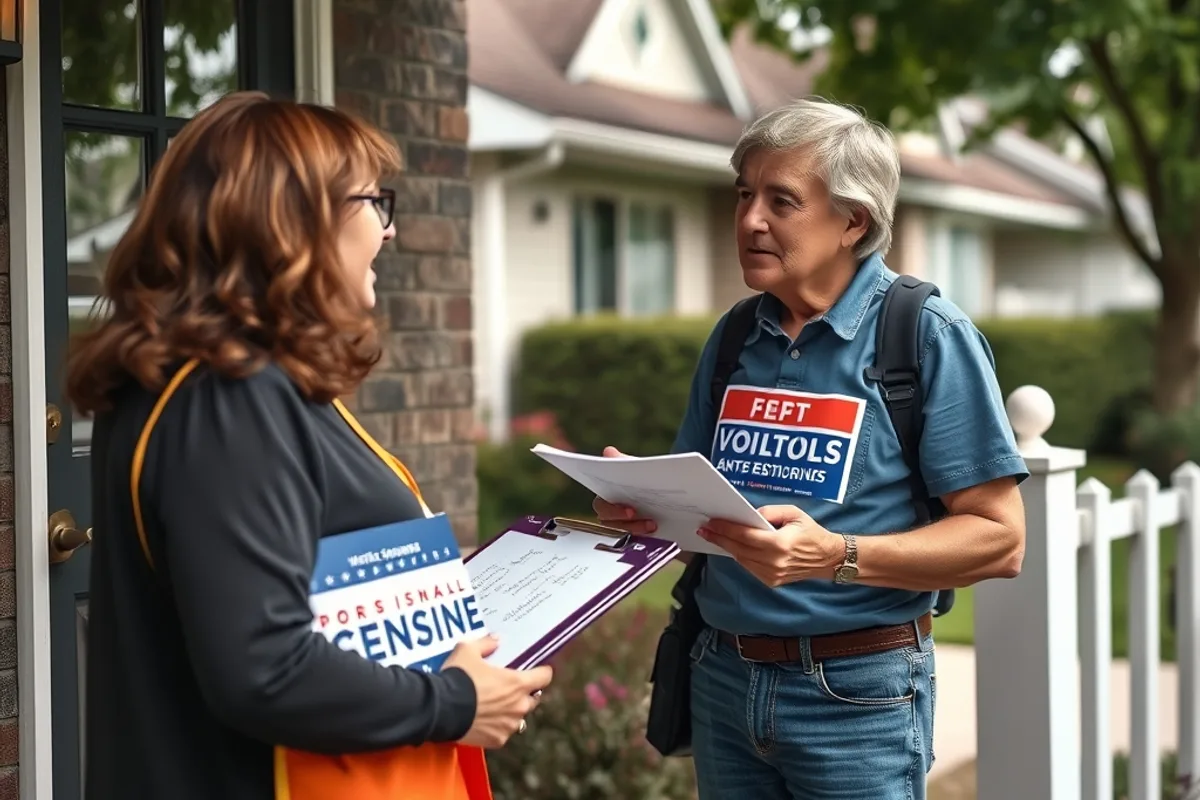
In election litigation, the calendar is a fact like any other. Courts can forgive a weak argument; they cannot add days to a deadline.
How courts decide on tight timelines
Federal courts apply a balancing framework that asks how severely a rule burdens voters and whether the state has a legitimate reason that justifies it. The analysis is fact-intensive, which is difficult to conduct in the weeks before an election. Judges also weigh the disruption that a late change would cause, a doctrine often described as the Purcell principle.
That does not mean late challenges always fail. A rule that clearly conflicts with a statute or treats voters unequally can still be enjoined. But the remedy may be limited: a court might extend a deadline for one office, order a curative process or require additional notice rather than changing the entire election. Litigants who file early and build a factual record do better than those who wait for a crisis.
What candidates should prepare
Build a compliance calendar from the official sources, not a campaign memo. Verify petition signatures before submission and keep the circulator records. Confirm the rules for mailers and disclaimers, and keep a copy of every version of every advertisement. If you intend to use poll watchers, register them on time and train them in writing.
Have counsel on call for the filing window and the week after the election. Identify the correct court and the correct defendant before a dispute arises; suing the wrong office can waste the days you cannot recover. Preserve internal communications about ballot access and voting rules. A campaign that can produce a clear timeline on short notice has a significant advantage in front of a judge.
What voters can do
Check your registration early, confirm your polling place and request a mail ballot with enough time to spare. If you vote by mail, follow the instructions exactly: signature, witness requirements and return method. Track your ballot if your state offers a tool, and act immediately if it is rejected.
If you encounter a problem at the polls, ask for a provisional ballot and a written explanation of the process. Report intimidation or equipment failures to the local election office and a nonpartisan hotline. Keep your own record of times, names and what you were told. Most election problems are resolved administratively, but a clear contemporaneous account is what makes a remedy possible.
This article is general information about election procedure, not legal advice about a specific election or jurisdiction.
Official source: U.S. Election Assistance Commission — election resources. This article is general information, not legal advice.