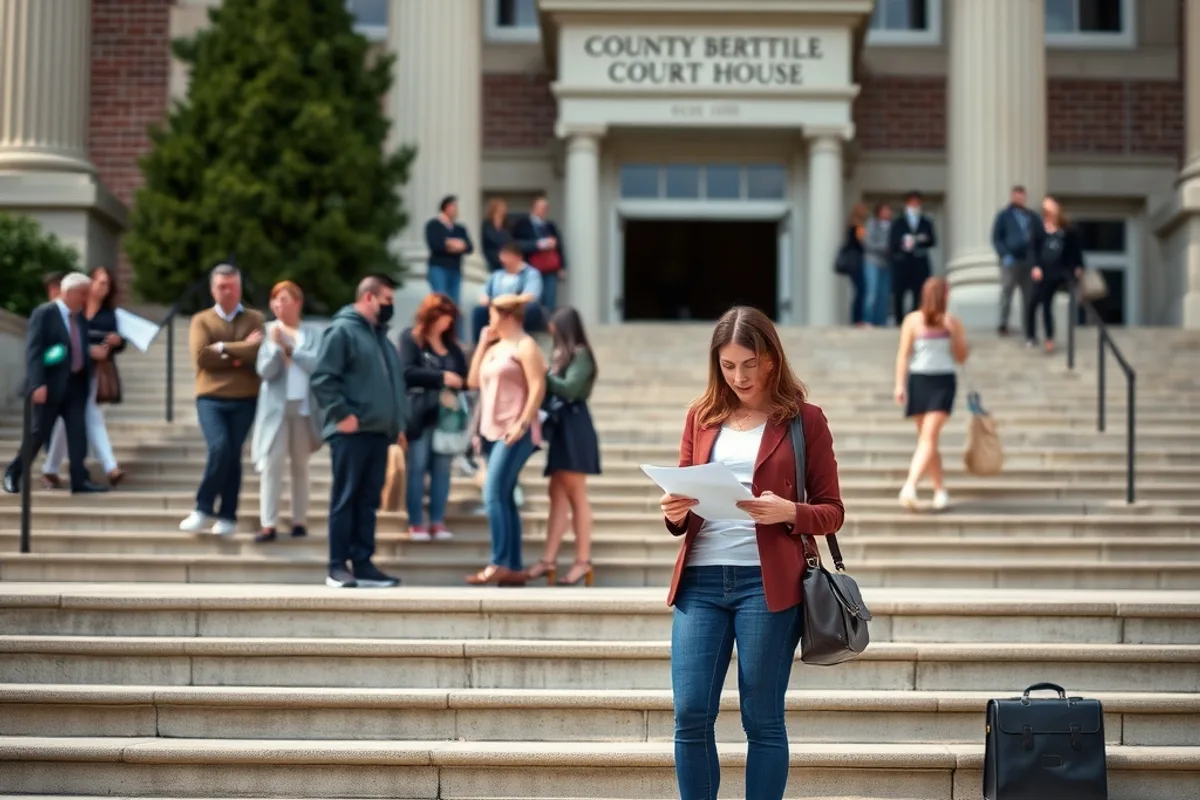
A public defender with 150 open cases cannot give each one the attention a constitutional right implies. That is the central fact of the crisis, and it is a resource problem dressed as a workload problem. The right to counsel is guaranteed, but the state decides how many lawyers to fund, how many cases to assign and how much time a first appearance gets.
The consequences are not abstract. They show up as clients who meet their lawyer for five minutes, pleas taken without an investigation, and sentences that reflect the quality of representation as much as the facts. This article explains how the problem is measured, what courts have done about it and what a client or a family member can realistically ask for.
Key facts
- The Sixth Amendment guarantees counsel in criminal cases, but not a specific amount of time or resources.
- Caseload standards are advisory in most states and vary by case type and jurisdiction.
- Excessive caseloads are associated with fewer client meetings, weaker investigations and faster pleas.
- Recruitment and retention problems are driven by pay, student debt and working conditions.
- Some jurisdictions have been ordered to reduce caseloads or fund additional attorneys after litigation.
How defender caseloads are counted
Caseloads are usually reported as the number of open cases per attorney, but a case can mean a misdemeanour with one hearing or a felony with months of motions, experts and trial preparation. Weighted standards try to correct for that by assigning different values to different case types. A simple headcount makes a heavy felony docket look the same as a traffic calendar.
The other measurement problem is time. A defender may be assigned to a courtroom rather than a case, covering every arraignment that appears on a given day. That work is real but often invisible in caseload statistics. When a jurisdiction reports an average, ask what is included: open cases, new assignments, closed cases or appearances. The numbers can differ by a factor of three.
The constitutional floor
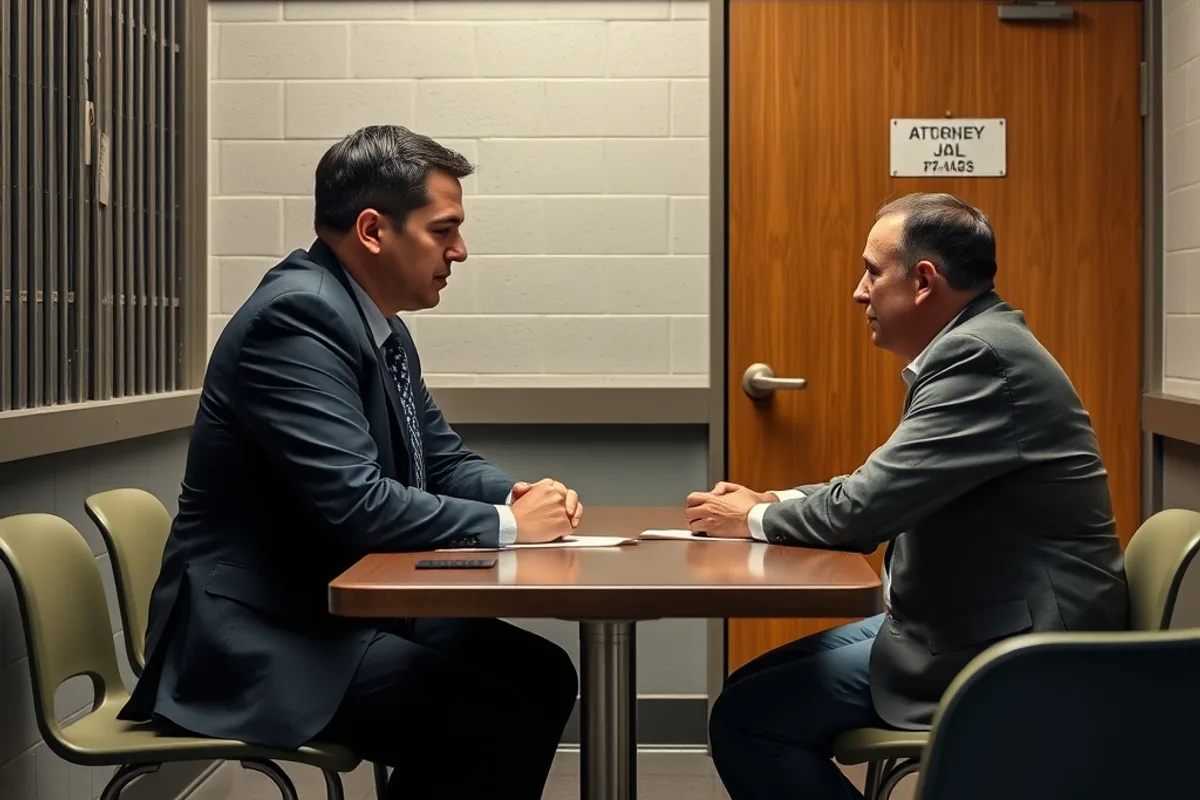
The Sixth Amendment guarantees the assistance of counsel in criminal prosecutions, and the Supreme Court has held that this includes effective assistance. The test is not whether the lawyer was exhausted; it is whether the representation fell below an objective standard of reasonableness and whether that prejudiced the outcome. In practice, proving prejudice is difficult, which is why systemic challenges often focus on the structure of the programme rather than a single case.
Some courts have entertained claims that a defender system is so underfunded that it cannot provide constitutionally adequate representation. The remedies have included caseload caps, additional funding and appointment of outside counsel. These cases are hard to win and slow to resolve, but they have produced enforceable orders in several jurisdictions. The threat of an order can also move a legislature that has ignored a study.

What overload does to cases
A defender with too many cases triages. The client with a hearing tomorrow gets attention; the client whose case is three weeks away waits. Investigators are dispatched only to the most serious matters. Experts are requested late, if at all. The plea offer becomes the path of least resistance, not because it is just but because it is the only option that fits the calendar.
The effects compound. A client who cannot reach a lawyer may miss a diversion programme or a treatment referral. A family that cannot get information may post a bond it cannot afford or accept a plea to end the uncertainty. None of this requires bad faith. It is what happens when demand exceeds capacity and the only variable left is time.

Recruitment and retention
Public defender offices struggle to hire and keep lawyers. Salaries lag behind prosecutor offices and private firms, student debt is high and the work is emotionally demanding. Burnout is common, and the exit of experienced attorneys leaves the most complex cases to the least experienced staff. A vacancy is not just an empty desk; it redistributes cases to everyone else.
Some offices have responded with loan repayment assistance, flexible schedules, clinical supervision and career ladders. Others have contracted with private counsel or created hybrid models. The evidence on which interventions work is limited, but retention improves when caseloads are manageable and supervision is real. A signing bonus cannot compensate for a docket that makes good work impossible.

A constitutional right to counsel means little if the lawyer has five minutes and a hundred other clients waiting.
Technology and triage
Case-management systems, automated discovery and client messaging can reduce administrative burden. They cannot cross-examine a witness or build a relationship with a client. The risk is that technology becomes a substitute for funding: a jurisdiction buys a portal and calls it reform while caseloads remain unchanged.
Used well, technology frees time for the work that matters. Automated reminders reduce missed appearances. Redaction tools speed discovery. A shared brief bank helps a new attorney avoid reinventing an argument. The test is whether the time saved is redirected to clients or consumed by new administrative tasks. Ask for the baseline and the follow-up measurement, not the vendor's testimonial.
Funding models that work
There is no cheap fix. Adequate representation requires enough attorneys, investigators, social workers and support staff, plus the technology to manage the work. States that have improved outcomes have generally increased appropriations, set workload standards and given the defender system independence from the judiciary and the prosecutor.
Structural independence matters. A defender office that must beg the same county board that funds the jail for every position is vulnerable to budget cycles. Some states have moved to a statewide defender commission with a dedicated funding stream. Others have used litigation to force a floor. The common thread is a commitment to measure workload and fund to it, rather than measuring wins and funding to the headline.
What clients and families can do
Ask for the lawyer's name, bar number and the best way to reach them. Keep a written log of calls, visits and court dates. Provide documents and names of witnesses early. If you cannot reach your lawyer before a hearing, tell the judge at the hearing; a request for a continuance is not an admission of guilt. If you are asked to plead, ask what the consequences are, including immigration, employment and housing effects.
Families can contact the defender's office and ask to speak with a supervisor. They can attend court, take notes and ask for the case number. They can also support local organisations that monitor court operations and advocate for funding. The system is opaque by design, but the record is public, and pressure applied at the right point can change what happens in a courtroom.
This article is general information, not legal advice. If you or someone you know faces criminal charges, contact a licensed attorney in your jurisdiction as soon as possible.
Official source: Sixth Amendment Center — right to counsel resources. This article is general information, not legal advice.