
Hiring a lawyer is a matching problem with an information gap. You are buying judgement under uncertainty, usually at a moment when you are anxious, and the person selling it knows far more about the process than you do. The goal is not to find the most impressive lawyer in the state. It is to find one whose experience fits the matter, whose fee structure you understand and who tells you plainly what can go wrong.
The interviews below take about half an hour and cost nothing at most firms. Done properly, they turn a vague fear into a scoped job with a price, a timeline and a named person responsible for it.
Key facts
- Most matters are billed hourly, by flat fee or on contingency; ask which model fits yours in writing.
- A written engagement letter should state scope, rate, costs, billing frequency and how to end the relationship.
- Check the licence and any public disciplinary history with the state bar before the first meeting.
- Ask who will actually do the work and whether a paralegal or junior associate will bill at a lower rate.
- Free consultations are marketing for some firms; confirm what is included before you rely on one.
Decide what you actually need
Write one page before you call anyone: what happened, when it happened, what you want and what deadline you are facing. Note every document you hold, from a signed contract to a text message. This page does two things. It forces you to separate facts from feelings, and it lets a lawyer tell you quickly whether the matter is even in their practice area.
Then classify the job. A transactional matter (a lease, a company formation, a review of terms) is usually a flat fee. A dispute that may settle is often hourly with a budget. A personal injury claim is typically contingency. If you cannot name the category, say so in the first call; a good intake person will route you rather than book you into the wrong calendar.
The four fee models, decoded
Hourly billing charges for time, usually in six-minute increments. It is transparent in theory and corrosive in practice when nobody manages the scope. Ask for the rate for every person who will touch the file, the estimated hours to the next milestone and how often you will receive an itemised bill. A firm that cannot estimate a routine matter is telling you something.
Flat fees buy a defined deliverable, not unlimited access. Read what happens if the matter grows: most flat-fee agreements have a scope clause that converts to hourly once the work exceeds the quoted task. Contingency means the lawyer takes a percentage of a recovery, typically after costs are deducted in some agreements and before in others. That ordering can change your net by thousands, so ask for a worked example. Hybrid arrangements, such as a reduced hourly rate plus a success fee, are increasingly common in commercial disputes and can be negotiated.

How to screen a lawyer in 30 minutes
Ask four questions in the first call. Have you handled this exact type of matter in the last two years? Who will do the day-to-day work? What is the realistic range of outcomes and the most likely one? What would you do first, and what would it cost to get to that point? You are listening for specifics: a court, a statute, a filing deadline, a comparable matter. Vague confidence is not experience.
Then check the record. Every state bar offers a licence lookup, and many publish disciplinary actions. Confirm the lawyer is active, in good standing and licensed where the matter will be heard. Ask whether the firm carries malpractice insurance; the answer should be a simple yes. Finally, ask for a conflicts check before you share sensitive documents. A firm that represents your opponent cannot take your call, and finding that out after you have sent the file is an avoidable cost.

The engagement letter: clauses to read twice
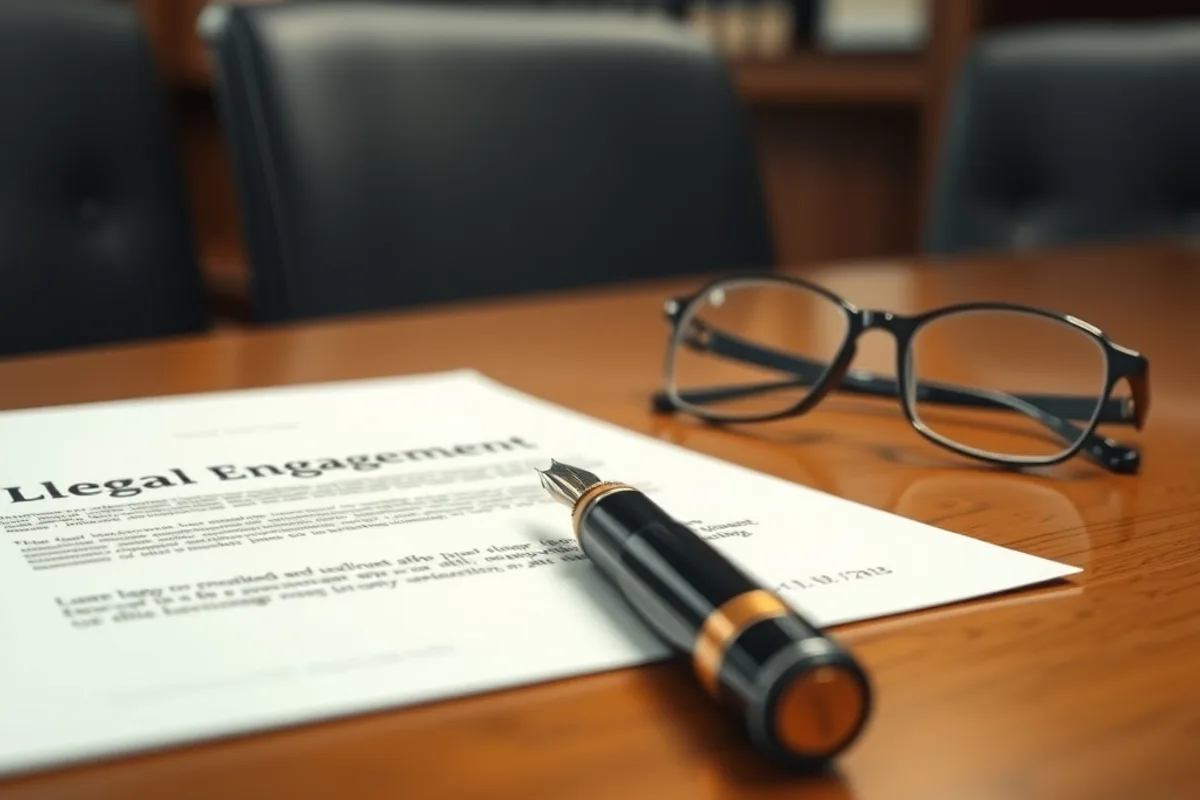
The engagement letter controls the relationship. Read the scope section first: what is included, what is excluded and what triggers a new estimate. Then read the fee section alongside the costs section. Filing fees, expert fees, courier charges and database research may be billed on top of the hourly rate, sometimes with an administrative markup. Ask whether the firm requires a retainer drawn from a trust account and how unused funds are returned.
Two clauses deserve particular attention. The termination clause should explain how you can leave, how quickly the file is transferred and what you still owe. The communication clause should name the person who answers your emails and the expected response time. If the letter is six pages of boilerplate with no estimate and no named contact, ask for an amended version. A firm that resists a written scope is a firm that will resist a written bill dispute.

The best lawyer for your case is not the one with the biggest advertisement. It is the one who explains the downside as clearly as the upside.
Red flags that should end the conversation
Guaranteed outcomes are the clearest warning. No honest lawyer can promise a verdict, a settlement or a charging decision. Pressure to sign immediately, before you have read the agreement, is another. So is a fee quoted without any questions about your facts, or an agreement that assigns the lawyer a percentage of your recovery without explaining who pays expenses.
Other signals are quieter. Calls not returned during the intake stage rarely improve after you pay. A lawyer who disparages every previous counsel may be describing their own working style. And be careful with anyone who suggests a strategy that depends on hiding a document or shading an answer. That is not zealous advocacy; it is a problem that will become yours.
When you may not need a lawyer
Some matters are genuinely do-it-yourself: a small claim below the local limit, a straightforward name change, a demand letter over a modest sum, an uncontested traffic ticket. Courts publish forms and self-help centres staffed by people who cannot give legal advice but can explain procedure. If the amount at stake is smaller than the cost of a proper engagement, a lawyer should tell you that plainly.
The line is usually complexity, not emotion. If the other side has counsel, if a deadline could waive a right, if immigration status, custody, a criminal charge or a home is involved, the cheap route can become the expensive one. Ask a lawyer during a consultation whether you can handle it yourself and what to watch for. A good answer will include the point at which you should come back.
A practical hiring checklist
Before you sign: confirm the practice area and recent experience; get the fee model and every rate in writing; ask for the cost estimate to the next milestone; verify the licence and insurance; run a conflicts check; read the scope, termination and expense clauses; and confirm who owns the file and how it will be returned. Keep a copy of everything, including emails about the fee.
After you sign, ask for a written plan with dates. Review the first invoice closely and query anything you do not recognise within the billing period. A lawyer who explains a line item without defensiveness is worth keeping. If the relationship is not working, the engagement letter tells you how to leave; do not simply stop responding, because deadlines continue to run while you are silent.
This guide is general information, not legal advice. Rules on fees, retainer funds and contingency agreements differ by state, and your local bar association can confirm the requirements that apply to you.
Official source: American Bar Association — legal help and lawyer referral. This article is general information, not legal advice.